


US cases of an intestinal infection from the cyclospora parasite that causes diarrhoea, nausea and other gastrointestinal symptoms have surged in recent days, with 34 states reporting infections, according to the U.S. Centres for Disease Control and Prevention (CDC).
Michigan, which reported its outbreak in May, recorded 3,309 cases on Tuesday.
What is it?
Cyclosporiasis is an intestinal infection that can be contracted by consuming food, typically raw fruits and vegetables, or water contaminated with faeces, that transmit the cyclospora parasite, according to the CDC.
Symptoms can range from mild to severe, with children, older adults and people with weakened immune systems facing a higher risk of serious illness.
While cyclosporiasis is rarely life-threatening, untreated infections can persist for weeks and may lead to hospitalisation, particularly because of dehydration.
The US has had previous outbreaks of the disease. Michigan, for instance, said it typically records 40 to 50 cases annually.
What is the source?
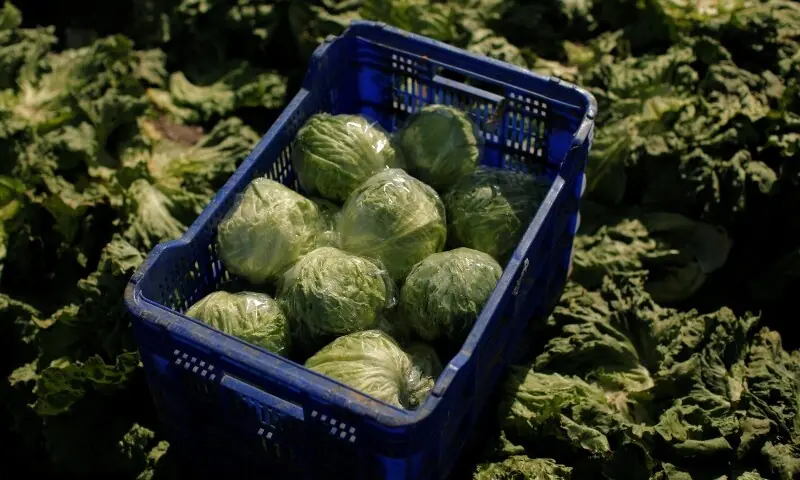
Michigan health officials said current evidence points to lettuce or other salad greens as a potential source of the outbreak, although investigators have not completely ruled out other food items. They added that no specific type of produce, grower or supplier has been linked to the outbreak.
The CDC and other state health departments have not identified the source of the food contamination.
They and the Food and Drug Administration (FDA) are tracing back from where ill people reported eating or purchasing food to points along the supply chain that can go back to the farm where an ingredient was grown. They may use genetic sequencing.
Past outbreaks have occurred with fresh food, including bagged salad mixes and some herbs, Michigan officials said.
What can people do to protect themselves?
The parasite lives in contaminated food or water and is not commonly transmitted directly from person to person.
Health officials advised people to wash their hands with soap and water before and after preparing raw fruit and vegetables, to wash fruits and vegetables thoroughly and to scrub firm fruits and vegetables with a clean brush.
Michigan advised consumers to buy whole heads of lettuce rather than bagged salad mixes and kits and throw away the outer leaves. It advised consumers to cook leafy greens and other items when possible.
Past outbreaks were linked to bagged salad mixes and kits, fresh cilantro and basil, raspberries, snow peas and green onions.
For people who have cyclosporiasis, the CDC recommends treatment with trimethoprim-sulfamethoxazole, an antibiotic commonly sold as Bactrim, taken twice daily for seven to 10 days. People living with HIV may require longer treatment, according to the agency.
Where is the outbreak?
Michigan, Ohio and New York have reported high numbers of cases. Illinois, Kentucky, New Jersey, New York, North Carolina, and Texas have all reported 31 cases or more as of July 13, according to the CDC, which tallied confirmed cases at 1,645. It said 141 of those people had been hospitalised. The CDC figures lag because of delays in states reporting to the federal agency.
Case counts are expected to rise as the CDC receives more data, with delays between exposure and case confirmation potentially taking up to six weeks. Cases typically rise from May 1 through August 31, the CDC said.
Sick people ranged in age from 5 to 88 years, with a median age of 44, and 59 per cent were female.
What surveillance is being done?
The Foodborne Diseases Active Surveillance Network, or FoodNet, is a collaboration among the CDC, the US Department of Agriculture, the FDA and 10 state health departments. Last July, it stopped tracking six of eight pathogens, including cyclospora, due to funding cuts.
FoodNet contacts physicians and clinical labs with the goal of monitoring trends and providing context for outbreaks, not of detecting outbreaks, said Barbara Kowalcyk, director of the Institute for Food Safety and Nutrition Security at George Washington University.
Without monitoring cyclospora, health officials will have a harder time fully understanding what proportion of cases may be missed due to underdiagnosis or underreporting, Kowalcyk said, adding that officials also may have a harder time preventing the next outbreak.
“It’s not just FoodNet that needs funding. The whole system needs funding,” she said.
The CDC did not immediately respond to a request for comment.
from Dawn - Home https://ift.tt/2a17rf8

0 Comments